Marine Engineering Courses
Marine Electrical Engineering Training
Electrical,Electronic & Control Engineering at Operational Level
At the end of the course, you are expected to demonstrate knowledge, have a detailed understanding and proficiency in the following:
Marine Electrical Engineering Training
Monitor the Operation of Automatic Control Systems of Propulsion & Auxilliary Machinery
At the end of the course, you are expected to demonstrate knowledge, have a detailed understanding and proficiency in the following:
Marine Electrical Engineering Training
Fundamentals of electronics and Power Electronics
At the end of the course, you are expected to demonstrate knowledge, have a detailed understanding and proficiency in the following:
Marine Electrical Engineering Training
Operation & Maintenance of Power Systems in Excess of 1,000 Volts
At the end of the course, you are expected to demonstrate knowledge, have a detailed understanding and proficiency in the following:
Marine Electrical Engineering Training
Computer Operation & Networks on Ship
At the end of the course, you are expected to demonstrate knowledge, have a detailed understanding and proficiency in the following:
Marine Electrical Engineering Training
Operation of All Internal Communication Systems on Board
At the end of the course, you are expected to demonstrate knowledge, have a detailed understanding and proficiency in the following:
Marine Electrical Engineering Training
Maintenance & Repair of Electrical & Electronic Equipment
At the end of the course, you are expected to demonstrate knowledge, have a detailed understanding and proficiency in the following:
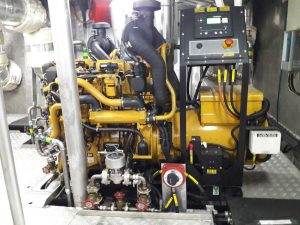
Marine Electrical Engineering Training
Maintenance/Repair of Automation & Control Systems of Main Propulsion & Auxilliary Machinery
At the end of the course, you are expected to demonstrate knowledge, have a detailed understanding and proficiency in the following:
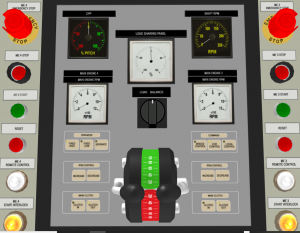
Marine Electrical Engineering Training
Maintenance/Repair of Bridge Navigation equipment & Ship Communication Systems
At the end of the course, you are expected to demonstrate knowledge, have a detailed understanding and proficiency in the following:
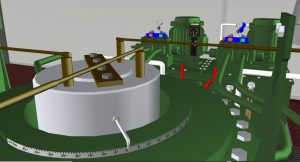
Marine Electrical Engineering Training
Maintenance & Repair of Electrical, Electronic & Control Systems of Deck Machinery & Cargo Handling Equipment
At the end of the course, you are expected to demonstrate knowledge, have a detailed understanding and proficiency in the following:
Marine Electrical Engineering Training
Maintenance/Repair of Control & Safety Systems of Hotel Equipment
At the end of the course, you are expected to demonstrate knowledge, have a detailed understanding and proficiency in the following:
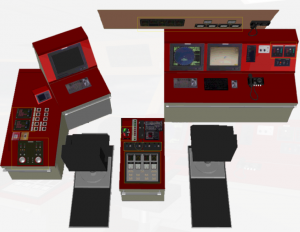
Marine Electrical Engineering Training
Troubleshooting Bridge Equipment & Engine Room Control Systems
At the end of the course, you are expected to demonstrate knowledge, have a detailed understanding and proficiency in the following:
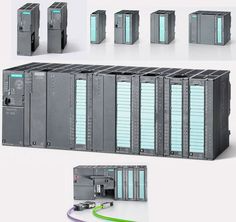
Automation and Control
PLC Programming Series (For Beginners)
To ensure you are able to understand the basics of PLCs such as its hardware, wiring and programming components as well as being able to create your own PLC Programs to Industrial Standards using Ladder Logic and common routines that help to create a full program including Alarms and Status. We will walk you through the foundations of PLC Programming, universal to all PLCs, covering common programming instructions as well as how to design and structure a program. Our PLC programming courses not only teach you the basics of the PLC equipment which every programmer is required to learn but more importantly, how to write control routines and programs to a standard that is required in industry. Throughout the course, you’ll have access to Omron’s Syswin34 and a Live Omron CPM PLC Training Station, where you will be able to download, monitor and test your projects. At the end of the course, you are expected to have a detailed understanding of the most used instructions and routines in programming, as well as being able to design your own programs from scratch.
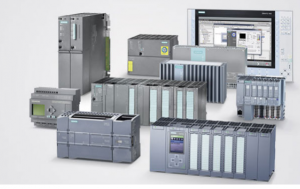
Automation and Control
Siemens S7 & TIA Portal Programming Series
To ensure you are able to understand the basics of Siemens S7 PLCs such as its hardware, wiring and programming components as well as being able to create your own PLC Programs using Siemens Organisational Blocks, Functions, Function Blocks and Data Blocks. The Siemens TIA Portal Programming Series provides you with an understanding of Siemens S7 PLCs and the TIA Portal programming software including the background of the Siemens PLC, how and where they are used in today’s industry as well as setup and programming techniques. You will also gain an understanding of Siemens S7-1200 PLCs and TIA Portal programming software including advanced programming techniques using functions, function blocks, data blocks and how to apply them in programming. This course is primarily for people who will be working with Siemens PLCs but also may be found useful to anyone interested in Siemens PLCs. Throughout the course, you’ll have access to TIA Portal and a Live Siemens S7-1200 PLC Training Station, where you will be able to download, monitor and test your projects, this is to ensure that you fully understand how to work with the software as well as being able to demonstrate how to design routines and programs in the TIA Portal environment. At the end of the course, you are expected to have a detailed understanding of the Siemens S7 PLC and TIA Portal, as well as being able to use Organisation Blocks, Functions, Function Block and Data Blocks.
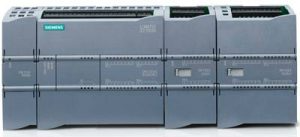
Automation and Control
Siemens S7 & STEP7 Programming Series
To ensure you are able to understand the basics of Siemens S7 PLCs such as its hardware, wiring and programming components as well as being able to create your own PLC Programs using Siemens Organisational Blocks, Functions, Function Blocks and Data Blocks. The Siemens Programming Series provides you with an understanding of Siemens S7 PLCs and the STEP7 Professional programming software including the background of the Siemens PLC, how and where they are used in today’s industry as well as setup and programming techniques. You will also gain an understanding of Siemens S7-300 PLCs and STEP7 Professional programming software including advanced programming techniques using functions, function blocks, data blocks and how to apply them in programming. This course is primarily for people who will be working with Siemens PLCs but also may be found useful to anyone interested in Siemens PLCs. Throughout the course, you’ll have access to STEP7 Professional and a Siemens Simulator, where you will be able to download, monitor and test your projects, this is to ensure that you fully understand how to work with the software as well as being able to demonstrate how to design routines and programs in the STEP7 Professional environment. At the end of the course, you are expected to have a detailed understanding of the Siemens S7 PLC and STEP7 Professional, as well as being able to use Organisation Blocks, Functions, Function Block and Data Blocks..
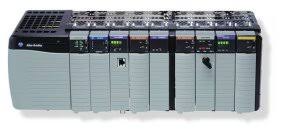
Automation and Control
Allen Bradley RSLogixStudio 5000 Programming
To ensure you are able to understand the basics of Allen Bradley ControlLogix PLCs such as its hardware, wiring and programming components as well as being able to create your own PLC Programs using Allen Bradley Routines and Add-on Instructions. The Allen Bradley Programming Series provides you with an understanding of Allen Bradley ControlLogix PLCs and the RSLogix 5000 programming software including the background of the Allen Bradley PLC, how and where they are used in today’s industry as well as setup and programming techniques. You will also gain an understanding of Allen Bradley ControlLogix PLCs and RSLogix 5000 programming software including advanced programming techniques using Routines and Add-on Instructions and how to apply them in programming. This course is primarily for people who will be working with Allen Bradley PLCs but also may be found useful to anyone interested in Allen Bradley PLCs. Throughout the course, you’ll have access to RSLogix 5000 and a Live Allen Bradley ControlLogix PLC Training Station for you to download and test your programs, this is to ensure that you fully understand how to work with the software as well as being able to demonstrate how to design routines and programs in the RSLogix 5000 environment. At the end of the course, you are expected to have a detailed understanding of the Allen Bradley ControlLogix PLC and RSLogix 5000, as well as being able to use Routines and Add-on Instructions.
Automation and Control
SCADA Programming Series
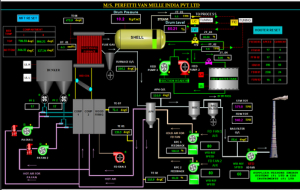
To ensure you are able to understand the basics of SCADA such as its hardware and programming components as well as being able to create your own SCADA projects using the tools available. The SCADA Programming Series provides you with an understanding of SCADAs and their software including the background of SCADAs and HMIs, how and where they are used in today’s industry as well as setup and design techniques. You will also gain an understanding of CitectSCADA programming software including advanced design techniques using Genies, Paste Symbols and Symbol Sets and how to apply them in programming. This course is primarily for people who will be working with SCADAs but also may be found useful to anyone interested in SCADA design. Throughout the course, you’ll have access to CitectSCADA and Simulator for you to test your projects, this is to ensure that you fully understand how to work with the software as well as being able to demonstrate how to design objects and screens in the CitectSCADA environment. At the end of the course, you are expected to have a detailed understanding of how to create your own SCADA screens and projects from scratch to Industrial Standards, as well as understanding the fundamentals to SCADA design from how to setup a project to developing your own dynamic screens which react to Tags from PLCs displaying real-time processes and applications to Operators and Engineers on the shop-floor.
Troubleshooting Industrial Control Systems
Troubleshooting Electric Circuits
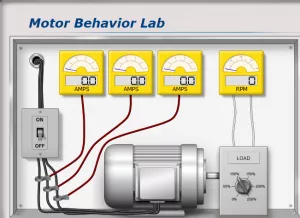
Electrical Circuits Users receive hands-on training on several electrical circuit simulations, covering key troubleshooting techniques, to prepare them to diagnose a variety of problems on the main lighting circuit simulation. These simulations contain common components including fuses, pushbuttons, switches, relays, and lights.
Troubleshooting Industrial Control Systems
Troubleshooting Control Circuits
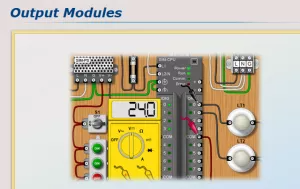
Control Circuits With two unique control circuit simulations, including an electric door lock simulation, users will encounter a range of malfunctions found in typical control circuits containing components including relays, transformers, switches, and solenoids.
Troubleshooting Industrial Control Systems
Troubleshooting Motor Circuits
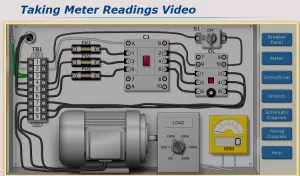
The multiple motor lab simulations and the industrial garage door simulation included in this module contain components such as three-phase motors, transformers, contactors, overloads, fuses, and limit switches. Users will troubleshoot three-phase power circuits along with the control portion of these motor circuits.
Troubleshooting Industrial Control Systems
Troubleshooting PLC Circuits 1
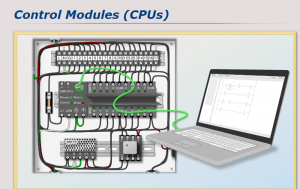
This program includes several circuit simulations containing generic PLCs with digital inputs and outputs providing the basic functioning of PLCs and their circuits. Users gain experience while troubleshooting dozens of challenging malfunctions to build skills that matter.
Troubleshooting Industrial Control Systems
Troubleshooting Industrial Controls 1
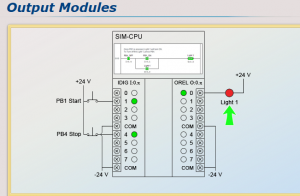
Industrial Controls Users troubleshoot complex malfunctions on this realistic simulation of an industrial process for mixing and processing fluids. The system uses a three-phase, 480 volt supply and contains a variety of industrial components such as pumps, agitators, heaters, temperature and float switches, relays, and timers.
Troubleshooting Industrial Control Systems
Troubleshooting Industrial Controls 2
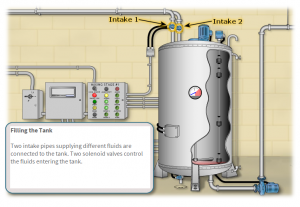
The PLC in this simulation has 20 PLC programs available providing a variety of different processes. Users will disconnect wires, take meter readings, even connect a laptop to compare readings and settings against schematics. Users will also examine pumps, motors, transformers, overloads and contactors to build skills while troubleshooting this complex industrial control system.